
Community Preparedness Resources
Emergency Preparedness
Emergencies can happen at any time. Taking a few simple steps now can help you and your household stay safe during disasters, including floods, severe storms, extreme heat and earthquakes.
The City of Sacramento encourages residents to follow these five steps from Listos California, a program of the California Governor's Office of Emergency Services.
- Get alerts. Sign up for local emergency alerts so you can receive important information and instructions during an emergency. Sign up for emergency alerts.
- Make a plan. Talk with the people in your household about what you will do during an emergency. Identify meeting places, important contacts and how you will communicate if you become separated. Consider the needs of children, older adults, people with disabilities and pets.
- Pack a go bag. Prepare a bag with essential items you can take if you need to leave quickly. Listos California recommends including important documents, medications, contact information and other personal necessities. Keep your go bag somewhere you can easily access it.
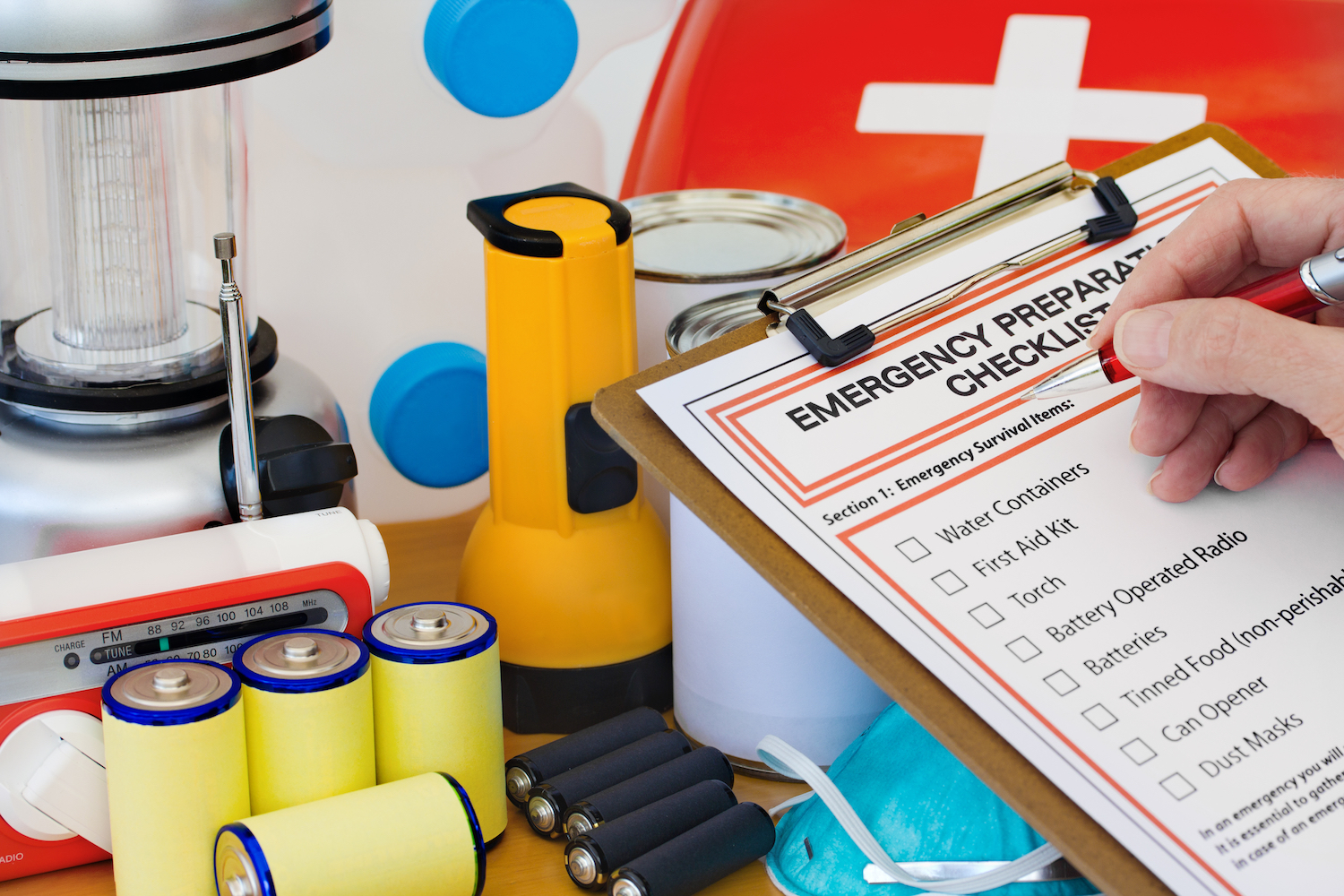
- Build a stay box. Gather supplies you may need if you must remain at home without electricity, water or access to stores. Include drinking water, nonperishable food, a flashlight, a battery-powered radio and other essential items for your household.
- Help friends and neighbors prepare. Check with friends, family members and neighbors who may need assistance during an emergency.Share preparedness information and encourage others to make a plan, gather supplies and sign up for emergency alerts.
Explore Listos California preparedness resources.
These materials can help residents prepare for emergencies based on their household needs.
Other planning resources
Older adults
Older Adults may have specific needs before, during and after a disaster. Ensure you make a plan and are prepared during any emergency.
People with disabilities
Disability intersects every demographic group—there are people with disabilities of all ages, races, genders or national origin. And, disabilities can impact a person in a variety of ways—both visible and invisible. For people with disabilities and their families, it is important to consider individual circumstances and needs to effectively prepare for emergencies and disasters. Learn more with Ready.gov.
Action checklist - Prepare before disaster happens
BUILD A KIT
Emergencies can happen without warning, so have an emergency kit prepared.
Utilities
Know when and how to turn off water, gas, and electricity to your home. Make sure your family members or caregivers also know this information. If you need specific tools to turn off your gas or water, make sure they are easily accessible and located near the valves. Only turn off utilities if you suspect damage or leaks.
Fire extinguisher
Check and make sure your fire extinguisher is up to date and easily accessible. Recharge or replace fire extinguisher as directed on the manufacturer's instructions.
Smoke alarm & Carbon monoxide
Test your smoke alarms and carbon monoxide devices once a month, replacing batteries at least once a year or as needed. Keep devices clean of dust or cobwebs and never paint the alarms. Smoke alarms should be replaced every 10 years.
Insurance coverage
Homeowners insurance generally doesn't cover flood damage. Talk with your insurance agent to ensure you have adequate coverage. Ensure you are current with your policy and understand your risks.
First Aid/ CPR & AED
Take first aid or CPR/ AED classes through the American Red Cross.