
Emergency Alert Notifications & Evacuation Information
Get informed
Find our if your community has a response, evacuation, and emergency plan in place. Know the specific hazards that threaten your community.
One such took you can use to learn the hazards in your community is MyHazards from the State of California Office of Emergency Services.
Emergency alert and warning information
Emergency notification system delivering information via phone, text and email.
Identification of hazards by individuals, business and local government
Receive warning of an earthquake before you feel shaking
A nationwide system providing lifesaving information for the state of CA
Evacuation order - voluntary vs mandatory
In general there are two types of evacuation notices, voluntary and mandatory. A voluntary evacuation is a warning to persons within a designated area that a threat to life or property exists or is likely to exist in the immediate future; you are not required to evacuate although it is recommended. A mandatory evacuation is a warning to persons within the designated area that an imminent threat to life and property exists.
The amount of time you have to prepare for an evacuation may depend on the hazard. If you feel you are at risk of being evacuated, consider organizing the following for a Grab-and-Go kit:
- Have copies of important personal papers, such as the deed to your house, proof of insurance, medical records, passports, social security cards, drivers license and a list of personal contacts.
- Critical medial items such as prescriptions
- Essential valuables
- Clothing, footwear, and toiletries
- Cell phone and charger
- Food and water for at least three days
- Flashlights and batteries
- Child care items such as diapers, formula and medicine
- Pet care items such as carrier case, food, etc
- Cash on hand, credit cards, checkbook and keys
Additional considerations prior to an evacuation order:
- Identify an out of town person you will contact in the event of an evacuation.
- Fill your vehicle with gas and keep your vehicle maintained.
- Know where your utility shutoffs are located and learn how to safetly shut off all utilities.
- If you live in an area prone to flooding, consider having sandbag materials on hand.
- Stay informed with Emergency Alerts
During an evacuation
Remember to stay calm and follow any local official agency's evacuation instructions. If you have time, consider the following:
- Consider removing any hanging objects outside. Bring any objects not nailed down, inside.
- Unplug appliances.
- Shut off utilities to prevent additional dangers. Keep in mind you will need a utility company to turn your gas back on when you return home.
- Protect indoor items. For instance, in an event of flooding, move valuables upstairs.
- Lock all your doors, windows, and garage before leaving.
- Follow the recommended evacuation routes. Do not take shortcuts, as streets may be blocked.
- Continue to monitor local media outlets for additional situational information.
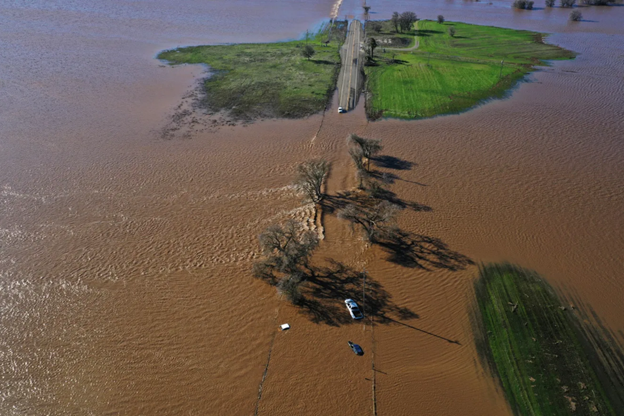
Recovering after a disaster
After a disaster, it is important to know not only what to do, but who to turn to if you need assistance. Make sure everyone is safe, check for injuries and seek help if needed. Look for broken glass, sharp objects, and avoid downed power lines. Watch for washed out roads, contaminated buildings, gas leaks, contaminated water, damaged electrical, and slippery roads. Report your claim immediately if you have damages.
- Recovering after a Disaster or Emergency (American Red Cross)
- Recovering from Disaster (Ready.gov)
- The National Flood Insurance Program (FEMA)
- Recovering from Disaster (FEMA)
- Flood Map Service Center (FEMA)
Returning home after an evacuation order
After confirming from emergency personnel it is clear and safe to return to your home or neighborhood, consider the following:
- Be alert for down power lines or other hazards.
- Check your residence for any safety issues.
- Learn more information on returning home from Ready.gov