
Traffic Education
Types of Bike Paths
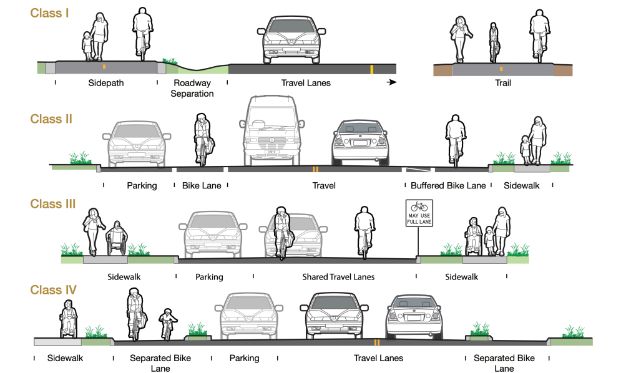
In California, bike paths are generally labeled Class I through IV (1 through 4) with each classification having different degrees of separation from vehicular traffic.
Class I - Off-street paved bikeways, separated from vehicular traffic, but shared with pedestrians.
Class II - A portion of the road reserved for the preferential or exclusive use of bicycles, indicated by road markings.
Class III - Roads shared by both vehicular traffic and bicycles can sometimes be marked or have signage promoting shared use.
Class IV - Cycle tracks, or protected bikeways that are separated from traffic via parked cars, posts, transit islands, or other physical barriers.
E-Bikes (312.5 CVC)
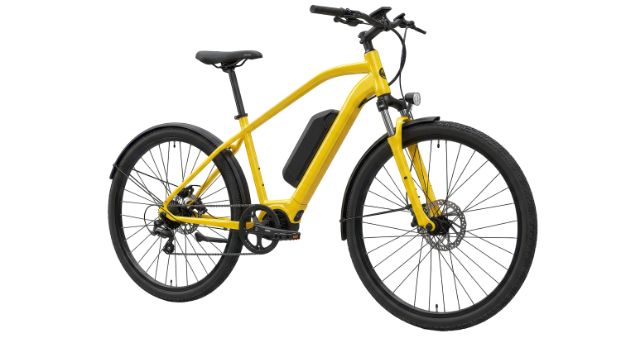
E-bikes: bicycles, fully operative pedals, electric motors no greater than 750 watts
Class 1: Pedal-assisted, maximum speed of 20 miles per hour (MPH), A helmet is required for riders under 18 years old.
Class 2: Throttle-assisted, a helmet is required for riders under 18 years old.
Class 3: Pedal-assisted, maximum speed of 28 MPH, need to be 16 years old to ride, a helmet is required for all ages.
E-Motorcycle and Mini-Motorcycle
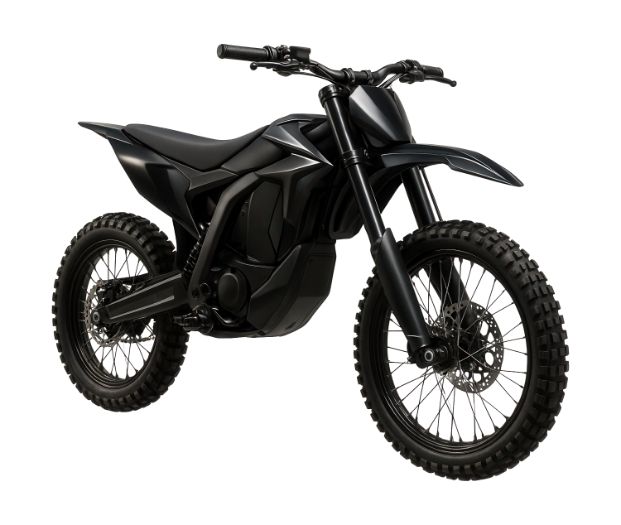
E-motorcycle
- Any self-propelled device, whether gasoline or electric powered, that goes faster than 30 MPH is considered a motorcycle, a motor-driven cycle, or a pocket bicycle.
- If registered with the CA DMV, it may be ridden at off-highway vehicle (OHV) parks.
- Not allowed on hiking or biking trails, bike lanes, or sidewalks.
- All ages required to wear a helmet.
- Needs M1 enhancement.
Pocket bike/mini-motorcycle
- A two-wheeled motorized device having a seat or saddle for the use of the rider, not designed or manufactured for highway use.
- Does not include an off-highway motorcycle as defined in 436 CVC.
- Permitted on private property only.
- Illegal on highways, sidewalks, bikeways, and hiking or recreational trails.
Mopeds and Scooters
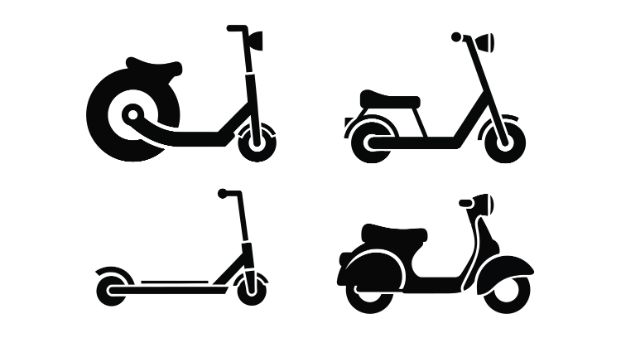
Mopeds have 2-3 wheels and an electric motor with an automatic transmission.
- Some mopeds have pedals, so you can ride them when the motor is off.
- Must have M1 or M2 enhancement to drive a moped.
- Must be 16 years old or older to drive a moped.
- Must wear a helmet.
- You do not need insurance to register a moped, but you need a special license plate and an ID card.
- One time registration fee of $23.
Motorized Scooters
- Maximum speed of 15 MPH.
- You can only drive on a bicycle path, trail, or bikeway, not on a sidewalk.
- Must be 16 years old or older to ride.
- Need a Class C license.
- A helmet is required for those under 18 years old.
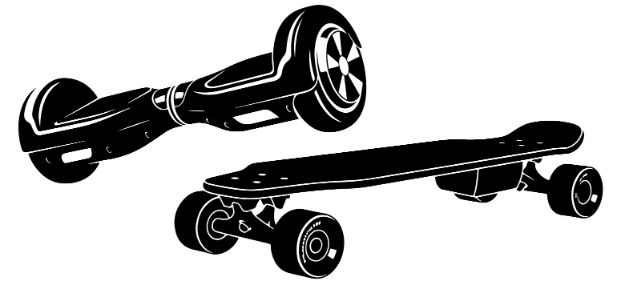
E-Skateboard and Hoverboard
E-skateboard per 21968 CVC
- (a) Motorized skateboard shall not be propelled on any sidewalk, roadway, or any other part of a highway or on any bikeway, bicycle path or trail, equestrian trail, or hiking or recreational trail.
- (b) For purposes of this section, an electrically motorized board, as defined in Section 313.5, is not a motorized skateboard.
Hoverboard per 313.5 CVC
- An “electrically motorized board” (hoverboard) is any wheeled device that has a floorboard designed to be stood upon when riding that is not greater than 60 inches deep and 18 inches wide, is designed to transport only one person, and has an electric propulsion system averaging less than 1,000 watts, the maximum speed of which, when powered solely by a propulsion system on a paved level surface, is no more than 20 miles per hour. The device may be designed to also be powered by human propulsion."
- Must be 16 years old or older
- A helmet is required when operating on a public roadway or bikeway
Additional guidelines
For further guidance on E-Bike and Motorized Scooter guidelines from the Department of Public Works, visit their page.